Bipolar and Cyclothymic Disorder Mood Patterns Explained
When mood changes keep returning, the words bipolar and cyclothymic disorder can feel uncomfortably close. Both involve shifts in energy, sleep, activity, and emotional intensity, but they are not the same pattern. Cyclothymia usually describes a long-running rhythm of hypomanic and depressive symptoms that do not reach the full episode thresholds used for bipolar I or bipolar II. Bipolar disorders usually involve clearer episodes that are more intense, more impairing, or more sharply separated from a person's usual baseline. If you are sorting through your own observations, bipolar mood screening resources can be a calm first step for reflection, not a substitute for a clinical evaluation.

The Short Answer Is Severity Duration and Pattern
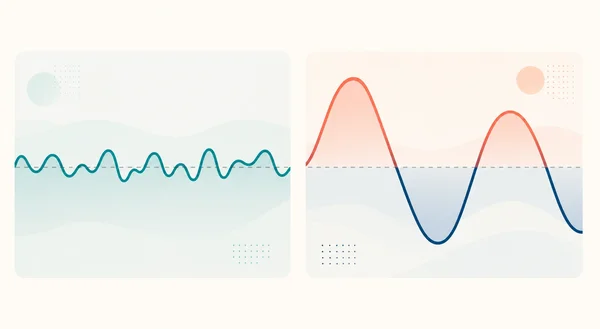
The difference between bipolar and cyclothymic disorder is that cyclothymic disorder is typically milder in episode intensity but longer and more persistent in rhythm. A person may have many periods that feel elevated, restless, productive, irritable, low, flat, or discouraged. Those periods can matter a great deal, but in cyclothymia they do not meet the full pattern for a manic episode, a hypomanic episode, or a major depressive episode.
Bipolar I is defined around at least one manic episode. Mania is not just a good mood; it can involve unusually high energy, reduced need for sleep, racing thoughts, impulsive behavior, grandiosity, agitation, or risky choices, and it may require urgent support when safety, judgment, or reality testing is affected. Bipolar II involves hypomanic episodes and major depressive episodes. Hypomania is less intense than mania, but it is still a noticeable change from baseline and can affect relationships, spending, work, sleep, and decision-making.
Cyclothymia sits in the same family of mood conditions, but the highs and lows are usually subthreshold. The pattern is often evaluated across at least two years in adults, with symptoms present for much of that time and with relatively few long symptom-free breaks. The key point is not whether the person "seems bipolar" in a casual sense. The useful question is: how intense are the highs, how deep are the lows, how long do they last, and how much do they change daily functioning?
| Pattern question | Cyclothymic disorder | Bipolar I or bipolar II |
|---|---|---|
| Mood elevation | Repeated hypomanic-like symptoms below full episode threshold | Mania in bipolar I; hypomania in bipolar II |
| Depressive symptoms | Repeated depressive symptoms below major episode threshold | Major depressive episodes are central in bipolar II and common in bipolar I |
| Duration pattern | Chronic fluctuation over years | More distinct episodes, though cycling patterns vary |
| Functional impact | Often subtle but persistent | Often clearer disruption, risk, or impairment |
For someone trying to organize what has been happening, a structured mood reflection tool may help turn vague memories into more specific notes to discuss with a qualified professional.
Cyclothymia vs Bipolar 2 in Real Life
Cyclothymia vs bipolar 2 is one of the most searched comparisons because both can involve highs that are below mania. The practical difference usually comes down to whether the person has had a full hypomanic episode and a full major depressive episode. In bipolar II, the depressive side is often prominent and may be the part that pushes someone to seek help. In cyclothymia, the lows may be frequent and distressing, but they are usually below the major depressive episode threshold.
Real life can be messier than a chart. Mood states can blend with stress, sleep loss, grief, ADHD traits, anxiety, substance use, medical conditions, or medication effects. People may also minimize elevated periods because they felt productive or socially confident. That is why clinicians ask about sleep, behavior, risk, outside feedback, timing, and consequences rather than mood alone.
It can help to think in three layers: intensity, duration, and consequences. How far from your usual self did the shift feel? How long did it last? Did people notice, responsibilities suffer, risk increase, or sleep drop without tiredness? Those details matter more than a single label.
Cyclothymic Disorder DSM-5 Symptoms in Plain English
Searchers often look for cyclothymic disorder DSM-5 symptoms because they want a clear checklist. In plain English, the pattern involves many periods of hypomanic symptoms and many periods of depressive symptoms over a long stretch of time, without the full symptom pattern required for bipolar I, bipolar II, or major depression.
Hypomanic symptoms can include increased energy, faster speech, racing thoughts, reduced need for sleep, more goal-directed activity, distractibility, inflated confidence, or impulsive behavior. Depressive symptoms can include low mood, loss of interest, fatigue, sleep changes, appetite changes, guilt, poor concentration, or a slowed-down feeling. In cyclothymia, these symptoms tend to recur and create a noticeable rhythm, yet they remain below the full episode thresholds used for other mood disorders.
That "below threshold" phrase should not be read as "not serious." A chronic pattern can wear people down even when no single mood shift looks dramatic from the outside. Someone may feel unpredictable, overly reactive, hard to plan around, or stuck between restless energy and emotional heaviness. The goal is describing the pattern clearly enough to get appropriate support.
What Causes Cyclothymic Disorder and Bipolar Disorder
There is no single known cause of cyclothymic disorder or bipolar disorder. Current explanations usually combine genetics, brain and nervous system regulation, temperament, sleep-wake rhythms, stress exposure, trauma history, substance use, and medical factors. Family history can raise risk, but it does not determine a person's future on its own. Likewise, stressful events can trigger or worsen mood symptoms for some people, but stress alone does not explain every case.
For both bipolar and cyclothymic disorder, sleep is a useful signal. A reduced need for sleep during high-energy periods can be especially important because it is different from ordinary insomnia. With insomnia, the person usually wants sleep but cannot get it. With elevated mood states, the person may sleep far less and still feel charged, driven, or unusually alert.
Because many factors can mimic or intensify mood cycling, a professional assessment may include questions about thyroid conditions, neurological issues, medications, substances, alcohol, anxiety, ADHD, trauma, and major life changes. This broader view protects against oversimplifying the problem and opens more practical support options.

What About Bipolar 4 and the 7 Types of Bipolar Disorder
The phrase bipolar 4 appears online, but it is not usually a standard category in mainstream clinical systems. Different authors may use it in different ways, often to describe soft bipolar-spectrum ideas, temperament patterns, or depression with subtle elevation. If you see the term, treat it as an informal shorthand unless a licensed professional explains exactly what framework they mean.
The question "what are the 7 types of bipolar disorder" is also tricky because search results mix formal categories, educational labels, and older spectrum language. A more reliable family list includes bipolar I disorder, bipolar II disorder, cyclothymic disorder, substance or medication-related presentations, presentations related to another medical condition, other specified bipolar and related disorder, and unspecified bipolar and related disorder.
For everyday understanding, the most useful comparison is still simple: bipolar I centers on mania, bipolar II centers on hypomania plus major depression, and cyclothymia centers on chronic subthreshold mood fluctuation. Informal labels may be interesting, but they should not replace a careful timeline of symptoms, sleep, behavior, and impairment.
A Practical Mood Pattern Checklist
If you are trying to make sense of possible bipolar and cyclothymic disorder patterns, write down observations before relying on memory. Mood memory is often biased toward the most recent or most painful week. A simple record can reveal whether shifts are brief reactions to events, repeating cycles, seasonal changes, medication-related effects, or longer stretches of altered energy.
Use these prompts as a self-reflection checklist:
- When did the mood or energy shift begin and end?
- Did sleep decrease without feeling tired?
- Did speech, ideas, spending, sex drive, irritability, or risk-taking change?
- Did other people notice a difference?
- Were there low periods with fatigue, hopelessness, guilt, or loss of interest?
- Were there weeks or months that felt stable?
- Did alcohol, substances, medication changes, illness, or major stress happen nearby?
- Did the pattern affect school, work, caregiving, money, safety, or relationships?
Bring the answers to a professional conversation if symptoms are recurring, disruptive, or frightening. Seek urgent support right away if there is danger of self-harm, harm to others, psychosis, inability to sleep for several days with escalating energy, or behavior that feels out of control.

How to Use This Information Without Overreading It
Learning about bipolar and cyclothymic disorder can bring relief, but it can also create tunnel vision. A label-shaped explanation may feel powerful when you have been confused for a long time. Still, online reading should be treated as a starting map, not a verdict. The safest next step is to gather a clear timeline, notice sleep and behavior changes, and speak with a qualified mental health or medical professional when the pattern is persistent or impairing.
BipolarTest.net is best understood in that same low-pressure way: a confidential bipolar screening first step for organizing observations and learning what might be worth discussing further. It cannot replace an in-person assessment, and it should not be used as the only basis for treatment, medication, legal, workplace, or school decisions.
If cyclothymia seems possible, the main takeaway is not "mild means harmless." The better takeaway is that long-running mood instability deserves care even when it does not look like classic mania or major depression. Support can focus on sleep regularity, stress patterns, therapy, communication, medication evaluation when appropriate, and a plan for symptom escalation.
FAQ
What's the difference between bipolar and cyclothymia?
Bipolar disorders usually involve clearer mood episodes, such as mania in bipolar I or hypomania plus major depression in bipolar II. Cyclothymia usually involves repeated hypomanic and depressive symptoms that persist but stay below full episode thresholds. The distinction depends on intensity, duration, functional impact, and history.
How long does cyclothymia last?
Cyclothymia is generally a chronic pattern rather than a brief reaction to a stressful week. In adults, professionals often look for a pattern lasting at least two years, with symptoms present for much of that time. Children and adolescents may be evaluated with a shorter minimum time frame, but the pattern still needs persistence.
What is cyclothymic mood disorder?
Cyclothymic mood disorder, often called cyclothymia, is a long-term pattern of mood fluctuation involving many highs and lows. The highs may involve increased energy, less sleep, fast thoughts, or impulsivity. The lows may involve sadness, fatigue, discouragement, or loss of interest. The symptoms are real, but usually below bipolar I or bipolar II episode thresholds.
Can a psychologist identify cyclothymia?
In many locations, licensed psychologists can evaluate mood patterns, provide clinical assessment, and help with therapy planning. Psychiatrists and other medical professionals may also be involved, especially when medication, medical causes, substance effects, or safety concerns need review. Exact professional scope depends on local licensing rules.
Is cyclothymia the same as bipolar 2?
No. Cyclothymia and bipolar II are related, but they are not the same. Bipolar II includes hypomanic episodes and major depressive episodes. Cyclothymia includes repeated hypomanic and depressive symptoms that are usually below those full episode thresholds. Someone unsure about the distinction should focus on documenting timing, sleep, impairment, and outside observations.
What causes bipolar disorder?
Bipolar disorder usually has multiple contributing factors, including genetics, brain regulation, sleep-wake rhythm sensitivity, stress exposure, and sometimes medical or substance-related influences. No single cause explains every person. Family history can increase risk, but it does not decide the outcome by itself.
Is bipolar 4 an official type?
Bipolar 4 is not usually treated as a standard mainstream category. It may appear in older or spectrum-based discussions, but the meaning can vary by author. If the term shows up in search results, use it cautiously and ask what specific symptoms, duration, and impairment the writer or professional is describing.