Bipolar and Eyes: What Eye Changes Can and Cannot Tell You
Searches about bipolar and eyes often come from a real moment of worry: someone looks unusually bright-eyed, intense, restless, distant, or hard to read, and you wonder whether the eyes are saying something about mood. Eye appearance can shift with arousal, sleep loss, stress, medication effects, dry eyes, and mood episodes, but eyes alone are not enough to identify bipolar disorder or a current episode. A calmer way to use the clue is to notice patterns, compare them with behavior, and keep the focus on support. If your main concern is whether mood swings deserve more attention, a private mood-swing screening tool can be one educational first step.
What People Mean by Bipolar Eyes
"Bipolar eyes" is not an official medical term. People usually use it to describe visible changes they think they notice during mania, hypomania, bipolar depression, or mixed states. The phrase can refer to pupils that look larger or smaller than usual, eyes that seem especially shiny, restless eye contact, an unusually fixed stare, reduced gaze, or a facial expression that feels different from the person's usual self.
That does not mean every story is accurate. Human beings are very good at reading faces, but we are also good at attaching meaning to a look after we already know someone is distressed. Lighting, camera angle, fatigue, caffeine, substances, eye dryness, allergies, contact lenses, and ordinary excitement can all change how eyes appear. That is why "bipolar eyes vs normal eyes" is the wrong comparison if it is treated like a visual test. The safer comparison is personal and contextual: does this look appear together with a broader change in mood, sleep, energy, speech, activity, or risk-taking?
Bipolar Eyes vs Normal Eyes What Can Actually Change
Several eye-related observations show up again and again in articles, clinical discussions, and personal stories. The most common are pupil size, brightness, gaze, and eye contact. These can matter as clues, but they are weak clues unless they fit a bigger pattern.
Pupil size can change when the autonomic nervous system is activated. During highly energized or anxious states, the sympathetic nervous system can make pupils look wider. A wider pupil can make the iris look darker or make the eyes seem more reflective. This may be one reason people describe "manic eyes" as bright, sparkling, or unusually alert.
Eye contact can also shift. Some people become more socially intense, animated, or direct when energy is high. Others become avoidant, suspicious, self-conscious, or easily overstimulated. In bipolar and eye contact searches, the important point is that either more gaze or less gaze can happen for many reasons. Eye contact is shaped by culture, personality, trauma history, autism, anxiety, medication, fatigue, and the relationship between the people involved.
The best use of an eye clue is pattern tracking. Instead of asking, "Do these eyes prove something?" ask, "What else changed at the same time?" If eye changes arrive with less need for sleep, pressured talking, unusual confidence, racing ideas, impulsive spending, irritability, agitation, or risky choices, the whole pattern deserves attention. If eye changes appear alone, they may simply be eye changes.
Manic Eyes, Hypomania Eyes, and Dysphoric Mania Eyes
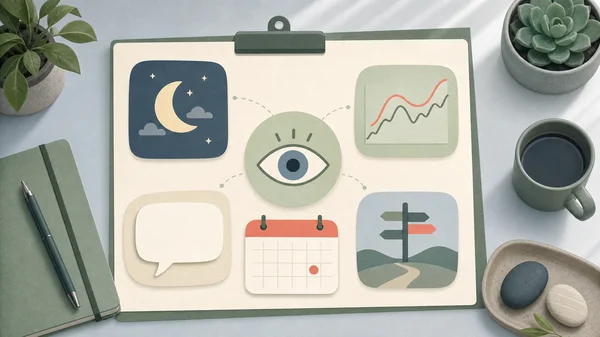
Searchers often separate "manic eyes bipolar," "hypomania eyes," "bipolar 2 eyes," and "dysphoric mania eyes," but the eye itself does not identify a bipolar type. Bipolar I is associated with full mania. Bipolar II involves hypomania and depressive episodes, not full mania. Hypomania can still be noticeable to others, but it is generally less impairing than mania. The eyes may look brighter or more animated during either high-energy state, yet the type of episode is judged by the full clinical picture, not by a look.
Dysphoric mania, sometimes discussed as mania with mixed or irritable features, can be especially confusing. A person may look wired, angry, suspicious, restless, or painfully activated rather than euphoric. In that context, people sometimes describe narrowed eyes, hard staring, rapid scanning, or gaze that feels unusually sharp. These descriptions are subjective. They can reflect irritability, lack of sleep, conflict, fear, or sensory overload as much as mood-state biology.
This is where a structured bipolar screening starting point can be more useful than comparing faces. A screening tool cannot replace a professional evaluation, but it can help organize mood-pattern questions that are more reliable than appearance alone.
What Research Suggests About Eyes and Vision
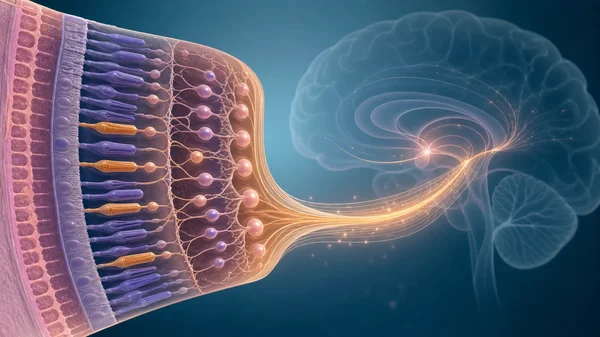
The research picture is interesting but still limited. Some writers discuss pupil dilation in mania or hypomania because norepinephrine, a chemical involved in arousal and the fight-or-flight system, can influence pupil size. There is also research on eye movements, visual processing, retinal measures, and whether subtle visual-system differences appear in people with mood disorders.
This is where the phrase "bipolar and ganglion cells in the eye" sometimes appears. The retina is part of the nervous system, and researchers can study retinal nerve fiber layers, ganglion cell layers, eye movements, and visual processing with specialized tools. These studies may one day help scientists understand mood disorders more deeply. They do not give the public a way to look at someone's eyes and know what is happening.
It is also important to separate eye appearance from eye health. Dryness, redness, blurry vision, eye strain, medication effects, and sleep deprivation can change how eyes look and feel. If someone has pain, sudden vision changes, severe light sensitivity, new floaters, injury, or persistent redness, that is an eye-health concern and should be handled through appropriate medical care.
Why Bipolar Eyes Pictures and Reddit Stories Can Mislead
"Bipolar eyes pictures" and "bipolar eyes before and after" can feel persuasive because images give a quick answer. They are also easy to misread. A before-and-after photo may differ in lighting, angle, makeup, pupil response to the camera flash, sleep, hydration, facial expression, or image editing. A person may also choose photos that match the story they already believe.
Online discussions, including bipolar eyes Reddit threads, can be validating when people feel alone. They can also turn personal anecdotes into rules. One person may notice bright eyes during hypomania. Another may notice dull eyes during depression. A third may have no eye changes at all. None of those stories is fake just because it is personal, but no single story should become a standard for everyone.
There is another risk: stigma. Calling someone's eyes "crazy," "scary," or "not normal" can make it harder for them to ask for help. A more respectful approach is to describe observable behavior without labeling the person. For example: "You slept only two hours, have been talking much faster, and seem more activated than usual. I am worried and want to support you."
A Practical Checklist for Reading Eye Clues Safely
Use eye observations as one small part of a larger check-in. The goal is not to label someone. The goal is to notice whether a wider pattern may need support.
- Compare with the person's usual baseline, not with strangers or pictures online.
- Look for timing. Did the eye change appear alongside a clear shift in sleep, energy, speech, spending, sex drive, anger, or confidence?
- Check for non-bipolar explanations such as alcohol, cannabis, stimulants, caffeine, allergies, eye drops, antidepressants, sleep loss, dehydration, or contact lens irritation.
- Notice whether the person is distressed, unsafe, unusually impulsive, paranoid, or unable to slow down.
- Write down concrete observations in neutral language: sleep hours, major decisions, conflicts, spending, speech speed, appetite, and changes in routine.
- Avoid arguments about whether their eyes look "manic." That can feel shaming and may escalate conflict.
- Encourage rest, reduced stimulation, practical support, and contact with a qualified professional when the broader pattern is concerning.
This checklist also helps if you are observing yourself. Instead of staring at your reflection or comparing old selfies, track sleep, activity, mood intensity, irritability, focus, and choices over several days. Eye clues may be easier to understand when they sit inside a record of daily patterns.

What to Do If Eye Changes Come With Possible Mania
If someone may be moving into mania or hypomania, keep the next step simple and low conflict. Choose a calm time if possible. Use "I" statements. Focus on shared safety and practical support rather than winning an argument about what the eyes mean.
You might say, "I noticed you have barely slept and seem more energized than usual. Would it help to pause big decisions tonight and message your clinician tomorrow?" If the person already has a care plan, follow it. If they have a trusted family member, therapist, prescriber, or crisis contact, help them reach that support.
Urgent help is appropriate when there is risk of self-harm, threats, psychosis, reckless behavior, inability to sleep for an extended period, or behavior that puts the person or others in danger. In the U.S., 988 is available for mental health crisis support, and emergency services may be needed for immediate danger.
For non-urgent uncertainty, it can help to organize observations before a professional conversation. A confidential mood pattern self-check may help you reflect on mood swings and decide whether the pattern is worth discussing further. Treat the result as educational guidance, not as a final answer.
FAQ
What does bipolar do to your eyes?
Bipolar disorder may be associated with changes people notice in pupil size, eye brightness, gaze, eye contact, sleep-related eye fatigue, or visual processing. These changes are not consistent enough to identify bipolar disorder by appearance. They matter most when they appear with wider mood, sleep, energy, and behavior changes.
What are bipolar eyes called?
People usually call them "bipolar eyes," "mania eyes," "manic eyes," or "hypomania eyes." These are informal phrases, not official clinical terms. They describe observations people report, such as sparkling eyes, dilated pupils, intense staring, reduced gaze, or eyes that seem different from baseline.
How can you tell if someone is having a manic episode?
Do not rely on eyes alone. Look for a cluster of changes: much less sleep without feeling tired, unusually high or irritable mood, more energy, rapid speech, racing thoughts, impulsive choices, risky behavior, distractibility, grand confidence, agitation, or losing touch with reality. If safety is at risk, seek urgent support.
Are bipolar eyes different in Bipolar II?
There is no reliable "Bipolar II eye look." People with Bipolar II can have hypomania, which may include increased energy, confidence, talkativeness, or reduced need for sleep. Some people may look brighter-eyed or more animated, while others may not show obvious eye changes.
Can a manic episode be stopped by sleep or willpower?
Sleep and reduced stimulation can help support stability, but a serious mood episode may need professional care. Avoid framing it as a willpower problem. If symptoms are escalating, involve a qualified professional, follow an existing care plan, and seek urgent support if there is danger, psychosis, or self-harm risk.
Is bipolar and third eye a medical idea?
"Third eye" language is usually spiritual or metaphorical, not a medical concept. If someone uses that phrase to describe insight, intuition, or a changed sense of perception, listen respectfully, but do not treat it as evidence for or against bipolar disorder. Focus on sleep, mood, behavior, safety, and support.