Bipolar Diagnosis Help: Using Test Insights to Find the Right Professional
Taking the first step toward understanding your mental health is a brave and important decision. You’ve likely experienced jarring mood shifts—perhaps soaring energy crashes into despair. That persistent sense of 'something’s wrong' is your cue to act. If you've asked yourself, "How do I find the right person to talk to about a possible bipolar diagnosis?", you are not alone. Navigating the world of mental healthcare can feel overwhelming, but this guide is here to help.
Here’s how to start your path to clarity. While online resources can provide valuable insights, a formal diagnosis can only come from a qualified professional. For instance, our free bipolar test and AI analysis translates symptoms into clinic-ready insights. We’ll help you navigate the key steps: from selecting the right expert to preparing for your first session.

Understanding Who Can Diagnose Bipolar Disorder
When seeking a formal diagnosis for bipolar disorder, it’s essential to connect with the right type of professional. Not everyone who offers therapy is qualified to conduct a comprehensive diagnostic evaluation. Understanding the different roles within the mental health field will help you find the most direct path to the answers you need.
Psychiatrists vs. Psychologists: Demystifying Their Roles
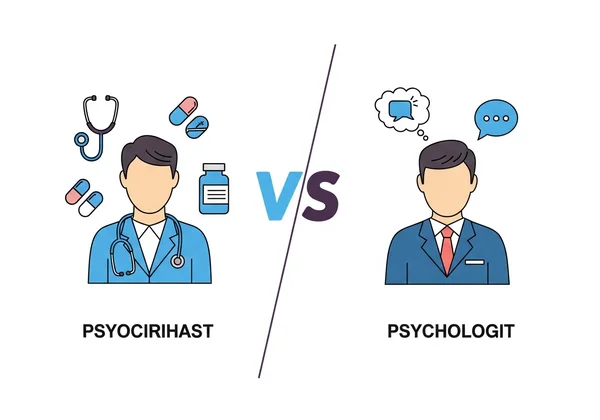
The two main professionals you will encounter are psychiatrists and psychologists. While they often work together, their training and roles in your care are distinct.
-
Psychiatrists (MD or DO): A psychiatrist is a medical doctor who specializes in mental health. They are uniquely qualified to diagnose mental health conditions, prescribe and manage medication, and provide various forms of therapy. Because bipolar disorder often involves a biological component that responds well to medication, a psychiatrist is typically the primary professional for providing an official diagnosis and creating a comprehensive treatment plan.
-
Psychologists (PhD or PsyD): A psychologist holds a doctoral degree in psychology and is an expert in human behavior. They are highly skilled in conducting psychological assessments and providing psychotherapy, or "talk therapy." While a clinical psychologist can often diagnose bipolar disorder, they cannot prescribe medication. They play a crucial role in helping you develop coping strategies, manage symptoms, and navigate the emotional challenges of the condition. In many cases, a person with bipolar disorder will see both a psychiatrist for medication management and a psychologist for therapy.
Other Mental Health Professionals and Referral Pathways
Beyond psychiatrists and psychologists, you may encounter other licensed professionals who provide vital support. Therapists like Licensed Clinical Social Workers (LCSW) and Licensed Professional Counselors (LPC) offer valuable counseling and support. While they might not be the primary diagnostician for a complex condition like bipolar disorder, they can be an excellent first point of contact.
Often, the journey begins with your family doctor or General Practitioner (GP). They can listen to your concerns, rule out other medical conditions that might be causing your symptoms, and provide a referral to a trusted psychiatrist or mental health clinic in your area.
How a Bipolar Test Complements Professional Diagnosis
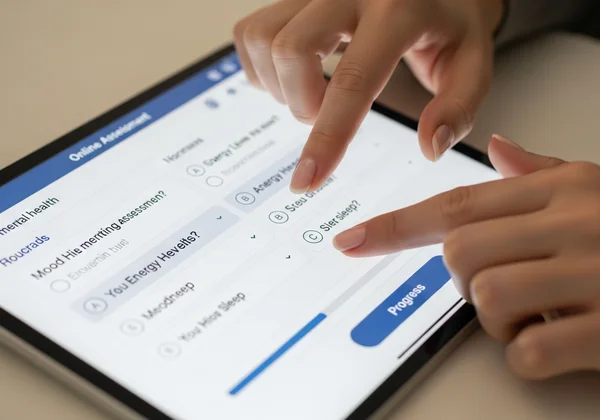
Organizing your thoughts and experiences can be challenging when your mood is unstable. This is where a structured tool becomes a powerful ally for self-advocacy. The results from an online bipolar test can serve as an excellent summary of your symptoms before you even speak to a doctor.
Based on the widely used Mood Disorder Questionnaire (MDQ), it helps translate your feelings into a clear format that mental health professionals recognize. Printing your results or having them on your phone provides a concise starting point for the conversation. If you opt to unlock our AI-powered bipolar assessment report, it offers even deeper insights into your patterns and challenges, giving you a comprehensive document to share. This turns a preliminary screening into a powerful tool for getting an accurate diagnosis.
Choosing Your Bipolar Specialist: Key Considerations for Fit
Finding the right mental health professional is like finding a partner for your health journey. The right fit goes beyond a diploma on the wall. It’s about finding someone you trust, who understands your unique experiences, and with whom you can build a strong therapeutic relationship.
Essential Credentials, Experience, and Specialization in Bipolar Care
When researching potential providers, start with the basics. Ensure they are licensed to practice in your state or country. Look for a psychiatrist who is "board-certified" in psychiatry.
Most importantly, seek out a professional with specific experience and specialization in mood disorders, including bipolar disorder. Don't be afraid to ask directly during your initial contact: "How much of your practice is focused on treating individuals with bipolar disorder?" An experienced specialist will be more familiar with the nuances of diagnosis and the latest treatment options.
Prioritizing Therapeutic Approach and Communication Style
A diagnosis is just the beginning; treatment is an ongoing collaboration. You need to feel comfortable and respected by your provider. Consider their communication style. Do they listen carefully to your concerns? Do they explain things in a way you can understand?
Therapists use varied approaches like CBT or DBT. Ask which method they recommend for bipolar-related challenges like emotion regulation or impulsivity. The goal is to feel empowered and involved in your own treatment plan.
Navigating Logistics: Location, Availability, and Insurance Coverage
Practical matters are just as important. Before committing to a provider, consider the following:
- Insurance: Check your insurance plan's directory of in-network mental health providers to manage costs.
- Location: Is their office conveniently located? Do they offer telehealth or virtual appointments?
- Availability: How long is the wait for a first appointment? How easy is it to schedule follow-ups?
Addressing these logistical questions early can prevent added stress later on, allowing you to focus on your health.
Preparing for Your First Diagnostic Appointment
Your first appointment is a critical step. Being well-prepared can help you make the most of your time and ensure the professional gets a clear and accurate picture of what you've been experiencing. This preparation helps them provide the best possible bipolar diagnosis help.
Documenting Your Symptoms, Mood Patterns, and Life Impact
Your memory can be unreliable, especially when dealing with shifting moods. Before your appointment, take some time to document your experiences. A simple journal can be incredibly effective. For each mood episode (high or low), try to note:
- What did it feel like? (e.g., extremely energetic, irritable, sad, hopeless)
- How long did it last? (a few days, a week, longer)
- How did it affect your sleep, energy levels, and concentration?
- What was the impact on your work, school, or relationships?
This information provides concrete data for your doctor, moving beyond "I've been moody" to a detailed history they can use for an accurate assessment. Using a structured tool like our free MDQ-based bipolar screening test provides clinical insights that complement your personal notes.

Key Questions to Ask Your Potential Mental Health Provider
This appointment is a two-way street. You are interviewing them just as much as they are assessing you. Having a list of questions ready can help you feel more in control and ensure you get the information you need. Consider asking:
- What is your process for diagnosing bipolar disorder?
- What is your experience treating patients with symptoms similar to mine?
- How do you view the roles of medication and therapy in treatment?
- How will we work together to create and adjust my treatment plan?
- What can I expect in our first few sessions?
Your Empowering Journey Towards a Clearer Path
Seeking a diagnosis for bipolar disorder is a proactive step toward reclaiming control over your life. Finding the right professional is a process of research, self-reflection, and advocacy. Trust your instincts—only you know what these mood shifts feel like day to day.
By understanding the roles of different specialists, considering what makes a good fit, and preparing thoroughly for your first appointment, you transform anxiety into action. This journey isn’t just about getting a label; it’s about opening the door to understanding, effective treatment, and a more stable, fulfilling future.
If you’re ready to take that first step, arming yourself with knowledge is key. Using a tool to map out your symptoms can provide the confidence you need. You can get a clear, structured overview of your experiences to share with a professional today.
Frequently Asked Questions About Bipolar Diagnosis
How do professionals typically diagnose bipolar disorder?
Professionals diagnose bipolar disorder through a comprehensive clinical interview. They will ask detailed questions about your symptom history, mood patterns (mania/hypomania and depression), family mental health history, and how your symptoms impact your daily life. They will also rule out other medical or psychiatric conditions. Reviewing our bipolar disorder screening checklist helps track symptom frequency before your appointment. There is no single blood test or brain scan for bipolar disorder; diagnosis relies on this thorough evaluation.
What's the difference between Bipolar I and Bipolar II diagnosis?
The main difference lies in the severity of the "high" mood episodes. Bipolar I Disorder is defined by at least one manic episode, which is a period of severely elevated mood, energy, and activity that can cause significant impairment and may require hospitalization. Bipolar II Disorder is defined by a pattern of hypomanic episodes (less severe than full mania) and major depressive episodes.
What conditions are commonly mistaken for bipolar disorder?
Several conditions have overlapping symptoms, which is why a professional evaluation is so crucial. Bipolar disorder is most commonly mistaken for major depressive disorder (especially if hypomanic episodes are missed), Attention-Deficit/Hyperactivity Disorder (ADHD), Borderline Personality Disorder (BPD), and certain anxiety disorders.
I've taken an online bipolar test; what should I do next?
An online bipolar test is an excellent screening tool and a first step. It is not a diagnosis. The best next step is to schedule an appointment with a qualified mental health professional, like a psychiatrist. Bring your results with you. A free bipolar test provides a valuable, organized summary of your experiences that can make your first conversation with a doctor much more focused and productive.