Bipolar Diagnosis Timeline: What Happens After Your Test
Completing a bipolar screening often unleashes conflicting emotions. Relief at naming your experience. Anxiety about next steps. Understanding your moods took courage - now begins your journey toward stability.
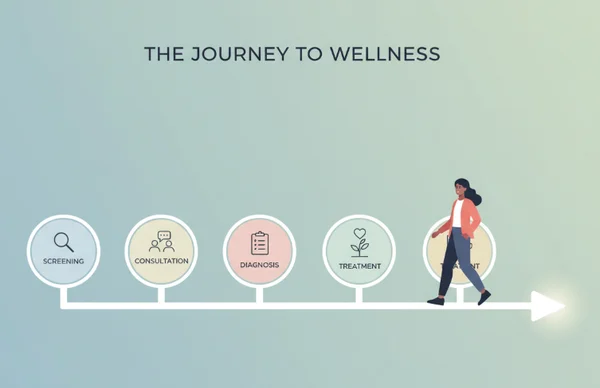
This article provides a clear roadmap of what to expect after a positive result from a screening tool. We will guide you through the process of moving from an initial online assessment to a formal medical diagnosis. By knowing the timeline and the steps involved, you can navigate the healthcare system with more confidence and less fear.
If you haven't already, you can start your test to gain immediate insights into your symptoms. This tool is designed to help you understand if your experiences align with the common indicators of bipolar disorder. Once you have your results, you are better prepared to talk to a doctor.
Understanding Your Bipolar Screening Results
A screening test is a valuable tool, but it is important to know exactly what the results mean. It is the first piece of a much larger puzzle. Many people use these tests to decide if their "mood swings" are something that requires professional attention.
Interpreting Your Bipolar Test Score
Most online assessments, including our bipolar test, are based on the Mood Disorder Questionnaire (MDQ). This is a scientifically backed set of questions that looks for patterns of mania or hypomania. A "positive" score on a screening test does not mean you definitely have bipolar disorder. Instead, it indicates that your symptoms are similar to those seen in the condition.
When you look at your score, consider the intensity of your "highs" and "lows." The test looks for clusters of symptoms that happen at the same time. If you receive a high score, it serves as a signal to seek a professional evaluation. Our scientifically validated bipolar screening also offers an optional AI-generated report. This report provides a deeper look at your specific answers to help you prepare for a doctor's visit.
When to Take Screening Results Seriously
You should take your screening results seriously if your mood patterns are interfering with your daily life. Ask yourself if your moods have affected your job, your relationships, or your physical health. If the answer is yes, the screening result is a powerful piece of evidence.
Screening results are most useful when they validate what you have been feeling for a long time. They provide a standardized way to describe your experiences to a medical professional. If your score suggests a high likelihood of bipolar traits, use that information as a bridge to get the help you deserve.
The Road to a Formal Bipolar Diagnosis Process
Getting a formal diagnosis is a process, not a single event. It often takes time because doctors want to be very careful and accurate. Bipolar disorder can sometimes look like other conditions, such as depression or ADHD, so a thorough investigation is necessary.
Initial Consultation with a Mental Health Professional
Your journey usually begins with a visit to a primary care doctor or a psychiatrist. During this first meeting, you will talk about your history. It is very helpful to bring a printout of your MDQ-based bipolar assessment results. This gives the doctor a clear starting point for the conversation.
Expect the doctor to ask many questions about your family history and any medications you are taking. They may also perform a physical exam or order blood tests. While there is no blood test for bipolar disorder, these tests help rule out other physical issues, like thyroid problems, that can cause mood changes.

Comprehensive Assessment Methods Beyond Screening
A clinical diagnosis goes much deeper than an online quiz. A specialist will conduct a "clinical interview," which is a detailed conversation about your life. They will look at your sleep patterns, energy levels, and how you make decisions during different mood states.
Doctors sometimes request family members' perspectives. During manic episodes, self-awareness can dim. Loved ones often spot behavioral changes you might miss. Seeing the full picture from multiple perspectives helps the professional make the most accurate assessment possible.
The DSM-5 Criteria for the Bipolar Diagnosis Process
To make an official diagnosis, professionals use the Diagnostic and Statistical Manual of Mental Disorders (DSM-5). You can find more detail on these clinical standards in our bipolar diagnostic criteria guide.
Bipolar I Diagnosis Standards
This diagnosis requires at least one manic episode that lasts at least one week. Mania is characterized by abnormally elevated energy, decreased need for sleep, and often, significant impairment in social or occupational functioning.
Bipolar II Diagnostic Requirements
This involves at least one major depressive episode and at least one hypomanic episode. Unlike Bipolar I, the individual never experiences a full manic episode. Hypomania is a less severe version of mania but still represents a distinct change from the person's usual behavior.
Cyclothymic Disorder Criteria
This is diagnosed when there are periods of hypomanic symptoms and depressive symptoms that are persistent but less severe than full episodes. These symptoms must last for at least two years in adults (one year in children) to meet the official criteria.
Your Bipolar Treatment Team Components
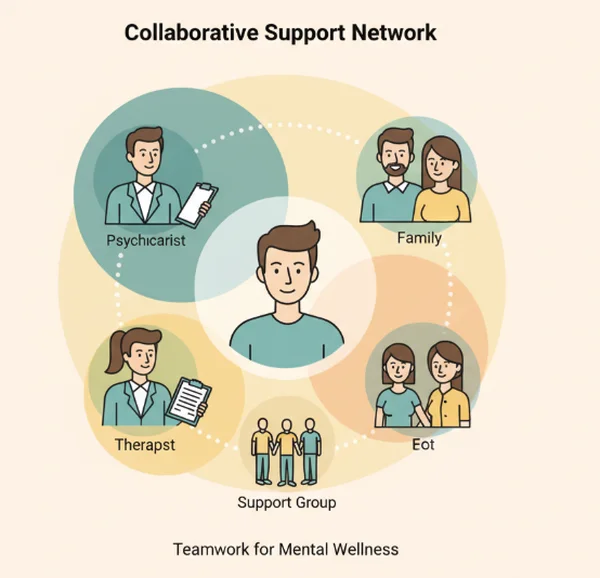
Once a diagnosis is made, you will begin working with a team of experts. Managing bipolar disorder is a collaborative effort. You are the most important member of this team, but you will have several professionals supporting you.
Medical Professionals: Roles Explained
- Psychiatrists: These are medical doctors who specialize in mental health. They are primarily responsible for diagnosing the condition and managing medications.
- Psychologists and Therapists: These professionals focus on "talk therapy." They help you develop coping skills, identify triggers, and manage the emotional impact of the disorder.
- Primary Care Doctors: They help monitor your overall physical health, which is vital since some medications can affect your weight or heart health.
Establishing Non-Medical Support Systems
Medical experts are only one part of the equation. A strong support network includes friends, family, and peer support groups. People who understand what you are going through can provide emotional safety during difficult times.
Many people find that joining a support group helps reduce the feeling of being "alone." Talking to others who have walked the same path can give you practical tips for daily life. Remember, managing this condition is much easier when you have a community behind you.
Creating Your Bipolar Treatment Roadmap
With diagnosis complete, we now focus on crafting a sustainable plan - your personal roadmap to stability. This roadmap is personalized to your specific needs and goals. It usually involves a combination of medicine, therapy, and lifestyle changes.
Medication Considerations and Timeline
Medication is often a cornerstone of bipolar treatment. It helps stabilize your moods so that therapy can be more effective. Common types include mood stabilizers, antipsychotics, and sometimes antidepressants.
Finding your ideal medication requires patience. Initial dosages often need adjustment. This trial phase typically lasts weeks as your body responds. Consistency is key during this phase; never stop taking medication without talking to your doctor first.
Therapy Options and Their Implementation Timeline
Therapy usually starts once your moods are relatively stable. Cognitive Behavioral Therapy (CBT) is very common for helping people change negative thought patterns. Another effective method is Interpersonal and Social Rhythm Therapy (IPSRT), which focuses on maintaining a steady daily routine.
If you chose to get a personalized report after your screening, you can use those insights in your therapy sessions. This helps you and your therapist identify specific triggers faster. Over several months, therapy will help you build a "toolbox" of strategies to stay healthy and catch mood shifts early.
Your Next Steps in the Bipolar Journey
Navigating the path from a screening test to a treatment plan may feel long, but it is a journey toward a better life. By taking a free bipolar test, you have already completed the hardest step: acknowledging that you need answers.
Hold onto these essential truths as you move forward:
- A screening test is a starting point, not a final diagnosis.
- A professional diagnosis involves a clinical interview and a review of your history.
- Treatment is a long-term roadmap that combines medical support with personal coping strategies.
You do not have to do this alone. If you are feeling overwhelmed by your moods, take action today. Use the tools available to you to gain clarity. Start your test now and take that first informed step toward understanding your mental health.
Frequently Asked Questions About the Bipolar Diagnosis Process
How long does it typically take to get a formal bipolar diagnosis after a positive screening?
The timeline varies for everyone. Some people receive a diagnosis within a few weeks after seeing a psychiatrist. For others, it may take several months of observation to distinguish bipolar disorder from other conditions. The goal is accuracy rather than speed. Bringing your results from a bipolar test to your first appointment can often help speed up the initial conversation.
What's the difference between a bipolar screening test and a clinical diagnosis?
A screening test is a self-reported tool used to identify symptoms and "red flags." It is designed to be quick and accessible. A clinical diagnosis is a formal medical conclusion made by a licensed professional. It involves a medical history review, physical exams, and a deep psychological evaluation. You can use an online bipolar test to see if you should seek a professional diagnosis.
Should I be concerned about potential misdiagnosis of bipolar disorder?
Many people worry about misdiagnosis - and understandably so. When mood swings resemble depression or ADHD, it is harder for doctors to see the whole picture. This is why it is important to be as honest as possible during your clinical interview. Sharing your full history of both "highs" and "lows" is essential for an accurate result. Tools like our personalized report can help you remember and organize your symptoms before you talk to a doctor.
Can I start treatment before receiving a formal bipolar diagnosis?
Usually, doctors prefer to have a clear diagnosis before starting specific medications like mood stabilizers. However, if your symptoms are severe, a doctor might offer immediate support for sleep or anxiety. You can also begin lifestyle changes, such as tracking your mood and improving your sleep hygiene, immediately after taking a screening tool.
Disclaimer: The content on this website is for informational and screening purposes only. It is not a substitute for professional medical advice, diagnosis, or treatment. Always seek the advice of your physician or other qualified health provider with any questions you may have regarding a medical condition.