Bipolar vs Anxiety: When to Take Our Test
Feeling trapped in a cycle of intense emotions can be confusing and exhausting. One moment you might feel a surge of restless energy, and the next, a wave of overwhelming worry. Is this just anxiety, or could it be something more, like bipolar disorder? Many people struggle with this question because the symptoms can overlap, making it difficult to understand what's really going on.
This guide will help you understand the key differences between these conditions. This will allow you to make a more informed decision about whether a screening tool, like our free bipolar test, is the right next step for you. We'll explore how the patterns of bipolar disorder and anxiety differ, drawing on insights from the DSM-5, the standard guide for mental health professionals. Our goal is to give you the clarity needed to move forward.
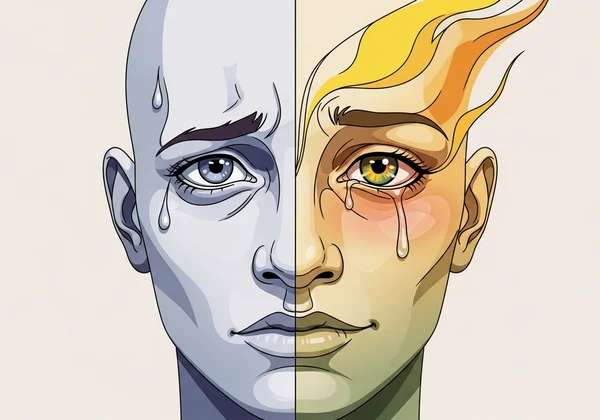
Recognizing When It's Bipolar vs. Anxiety
To distinguish between bipolar disorder and anxiety, pay close attention to the patterns in your experiences, not just the feelings themselves. While both can involve irritability and sleep problems, their emotional rhythms are fundamentally different. Let's break down the two most important distinctions: mood swings and energy levels.
The Pattern of Mood Swings: Episodic vs. Persistent
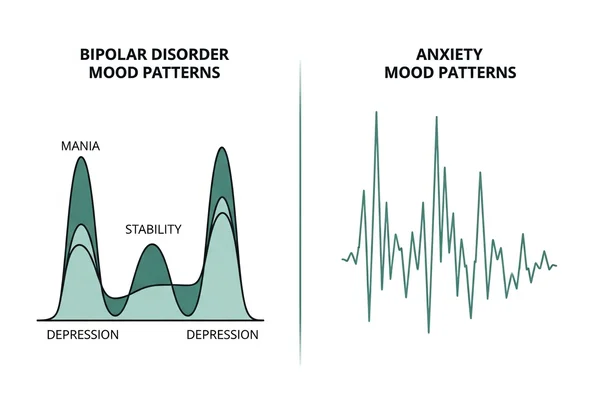
The defining feature of bipolar disorder is its episodic nature. This means that moods come in distinct periods, or "episodes," of depression and mania (or its milder form, hypomania). These episodes have a clear beginning and end, and they represent a significant shift from your usual self. For days or weeks, you might experience the lows of depression, followed by a separate period of elevated mood and energy. Between these episodes, you may return to a more stable emotional state.
Anxiety, on the other hand, is often persistent and chronic. The feeling of worry, fear, or tension doesn't typically come in neat episodes with a clear start and finish. Instead, it can feel like a constant, underlying hum of unease that lasts for months. While the intensity can vary from day to day, the core feeling of anxiety tends to be a long-term companion rather than a visitor that comes and goes. The feeling is less about dramatic mood shifts and more about a sustained state of apprehension.
Energy Levels: The Highs and Lows of Bipolar vs. Constant Tension in Anxiety
Energy levels are another key difference between these conditions. During a manic or hypomanic episode in bipolar disorder, you may experience an incredible surge in energy. This isn't just feeling good—it's a profound increase in goal-directed activity, decreased need for sleep, and racing thoughts. This high-energy state is then contrasted by depressive episodes, where even simple tasks can feel impossible due to crushing fatigue and a complete lack of motivation.
Anxiety can also affect your energy, but in a very different way. It often creates a feeling of being "keyed up" or "on edge." This is a tense, restless energy fueled by worry, not the euphoric or expansive energy of mania. People with anxiety often feel mentally and physically exhausted from the constant state of high alert. Instead of productive energy, it's a draining energy that leaves you feeling depleted. If you feel your energy swings from one extreme to another, it might be valuable to start your test to see if these patterns align with bipolar disorder.
Key Diagnostic Differences According to DSM-5
To ensure accuracy, mental health professionals rely on the Diagnostic and Statistical Manual of Mental Disorders (DSM-5). This guide provides specific criteria that help distinguish one condition from another. Understanding these official differences can provide further clarity when you feel lost in a sea of symptoms.
Duration and Intensity Requirements
For a professional diagnosis, symptoms must meet specific thresholds for duration and intensity. Bipolar disorder requires the presence of at least one manic or hypomanic episode. A manic episode must last for at least one week. It can be shorter only if hospitalization is required. The episode must also cause significant impairment in your daily life. A hypomanic episode is less severe and must last for at least four consecutive days. Depressive episodes must last for at least two weeks.
Anxiety disorders, such as Generalized Anxiety Disorder (GAD), have different criteria. For a GAD diagnosis, a person must experience excessive worry about various events or activities for at least six months. This worry must be difficult to control and be accompanied by at least three physical or cognitive symptoms, such as restlessness, fatigue, or difficulty concentrating. The focus is on the long-term, pervasive nature of the worry, not on distinct mood episodes.
Comorbidity: Can You Have Both Bipolar and Anxiety?
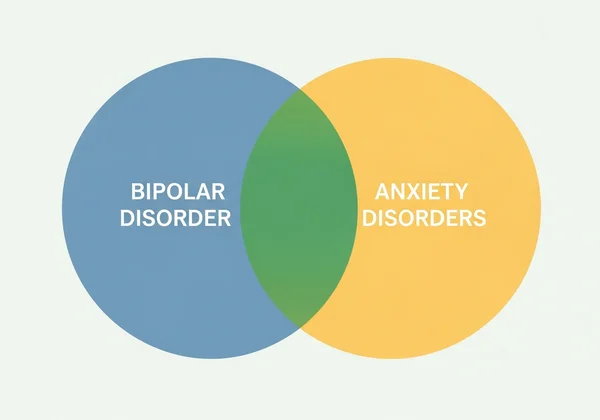
Yes, it is very common for someone to have both bipolar disorder and an anxiety disorder. This is known as comorbidity. In fact, clinical studies show that a majority of individuals with bipolar disorder will also experience an anxiety disorder at some point in their lives. When they occur together, one condition can often worsen the symptoms of the other.
For example, anxiety can make depressive episodes feel more agitated and hopeless, while the unpredictability of bipolar mood swings can fuel constant worry. Because of this significant overlap, getting an accurate picture is crucial. If you've been diagnosed with anxiety but feel your treatment isn't working, or if you suspect you might be dealing with more than just worry, using a focused screening tool can provide valuable insights to discuss with a professional.
When a Bipolar Test Makes More Sense Than Anxiety Screening
If your experiences are confusing, how do you decide which path to explore first? Sometimes, specific signs point more strongly toward bipolar disorder. Paying attention to these red flags can help you determine if a bipolar-specific screening is the most logical next step for you.
Identifying Specific Red Flags for Bipolar Disorder
While symptoms can overlap, some experiences are more unique to bipolar disorder and should prompt further investigation. Consider taking a closer look if you've experienced any of the following:
- Elevated Moods: Have you had periods where you felt unusually happy, euphoric, or powerful, far beyond a normal good mood?
- Decreased Need for Sleep: Have you gone through phases where you could function on just a few hours of sleep (or none at all) and still feel full of energy?
- Impulsive or Risky Behavior: Have you engaged in behaviors that are out of character for you, such as spending sprees, reckless driving, or impulsive decisions?
- Racing Thoughts or Pressured Speech: Have you had times when your thoughts were moving so fast you couldn't keep up, or you felt compelled to talk constantly?
- Depression That Doesn't Respond to Antidepressants: Have you been treated for depression, only to find that the medication didn't work or even made you feel worse (e.g., more agitated or irritable)?
If any of these sound familiar, a focused bipolar assessment test could offer important clarity.
Understanding Your Family History's Role
Genetics play a significant role in bipolar disorder. If you have a close relative—such as a parent or sibling—with a diagnosis of bipolar disorder, your own risk is higher. While a family history of anxiety can also increase your risk for anxiety, the genetic link for bipolar disorder is particularly strong.
Therefore, if you have a family history of bipolar disorder and are experiencing significant mood swings, it is especially important to consider it as a possibility. This information doesn't guarantee a diagnosis, but it is a critical piece of the puzzle. Sharing this information with a healthcare provider, along with the results from a screening tool, can help create a more complete picture of your health.
Your Next Step
Understanding your mental health can be challenging, but finding clarity is an empowering step forward. You've learned that the key difference between bipolar disorder and anxiety often lies in the pattern: bipolar disorder is defined by distinct episodes of highs and lows, while anxiety is typically a more persistent state of worry. Recognizing red flags like euphoric moods, a decreased need for sleep, and risky behavior can point you toward the right questions to ask.
If this article speaks to your experiences and you recognize more of the episodic patterns of bipolar disorder, here's what you can do next.
Take an Informed Bipolar Test
Taking a reliable screening test can help organize your thoughts and provide a starting point for a conversation with a professional. At BipolarTest.net, we offer a free, confidential screening tool based on the scientifically validated Mood Disorder Questionnaire (MDQ). It's designed to give you instant insights into your mood patterns. Take the first step toward understanding. Start your bipolar test today and get the clarity you deserve.

Disclaimer: This article is for informational purposes only and does not constitute medical advice. The content is not intended to be a substitute for professional medical advice, diagnosis, or treatment. Always seek the advice of your physician or other qualified health provider with any questions you may have regarding a medical condition.
Frequently Asked Questions About Bipolar and Anxiety
Can anxiety cause symptoms similar to bipolar disorder?
Yes, there is significant overlap. Both conditions can involve irritability, sleep disturbances, and trouble concentrating. However, the agitation in anxiety is usually linked to worry, while in bipolar disorder, it can be part of a manic, hypomanic, or mixed episode. A key difference is the presence of elevated or euphoric moods in bipolar disorder, which is not a feature of anxiety.
How accurate is an online test for distinguishing between these conditions?
An online screening tool like the one on our site is not a diagnostic tool. However, a high-quality test based on clinical standards (like the MDQ) is an excellent first step. It can accurately identify patterns that suggest you may be at risk for bipolar disorder, helping you decide if you should seek a professional evaluation. Our free online test is designed to provide these initial insights.
What should I do if my test results suggest bipolar but I've been diagnosed with anxiety?
Misdiagnosis is not uncommon, especially since bipolar depression can look like major depression, and anxiety is often a co-occurring condition. If your results suggest bipolar disorder, it's very important to discuss this with your doctor or a mental health professional. Bring your results and share specific examples of elevated moods or energetic episodes you’ve experienced. This new information can help your provider re-evaluate your diagnosis and treatment plan.
Are there specific triggers that differentiate anxiety from bipolar episodes?
Anxiety is often triggered by specific situations, stressors, or worries about the future (e.g., work deadlines, social events). While life stress can also trigger bipolar episodes, the episodes themselves can sometimes seem to appear without a clear external cause. The internal, biological rhythm of bipolar disorder plays a much larger role in the onset of manic or depressive episodes compared to the triggers for anxiety.