Bipolar vs Schizophrenia Test: Key Symptoms & Differences
Are you grappling with complex mood swings, shifting realities, or intense shifts in energy that leave you wondering about their cause? For many, trying to understand the difference between Bipolar Disorder and Schizophrenia can feel overwhelming, especially when some symptoms seem to overlap. This guide is here to help.
We will clarify the key distinctions between these two conditions, explore their unique characteristics, and explain how a screening tool can offer valuable insights. Understanding your experiences is the first step toward getting the right support. A confidential online bipolar test can be a helpful starting point on your journey to clarity.
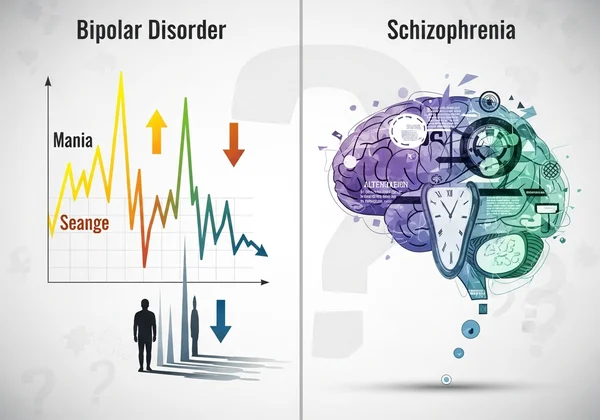
Understanding Bipolar Disorder and Schizophrenia
While both are serious mental health conditions that can significantly impact daily life, Bipolar Disorder and Schizophrenia are fundamentally different. Understanding their core features is essential for telling them apart.
What is Bipolar Disorder? Defining Mood and Energy Shifts
Bipolar Disorder is primarily a mood disorder. It is defined by extreme shifts in mood, energy, and activity levels. People with Bipolar Disorder experience intense emotional states known as mood episodes, which are drastically different from their usual selves.
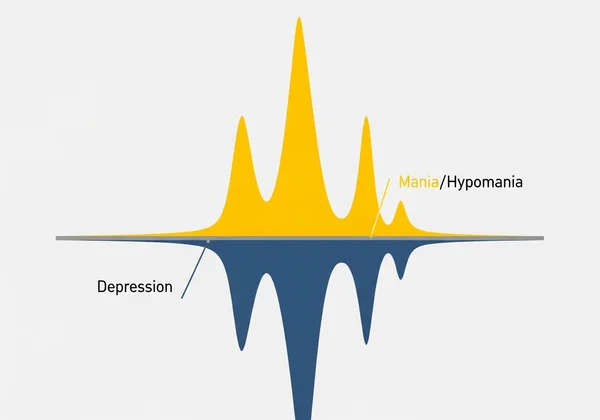
These episodes are categorized as manic/hypomanic (the "highs") and depressive (the "lows"). The experience is like being on an emotional rollercoaster, with periods of normal mood in between.
If you've felt that rollercoaster, you're not alone—many start here. The central feature of Bipolar Disorder is the fluctuation of mood over time.
What is Schizophrenia? Exploring Thought and Perception Alterations
Schizophrenia is primarily a psychotic disorder. It affects how a person thinks, feels, and perceives the world. Its core symptoms are not related to mood swings but rather to disruptions in thought processes and a disconnect from reality.
People with schizophrenia often face hallucinations, delusions, disorganized thinking, and low motivation. Mood changes happen too. But they're not the core issue – unlike bipolar's manic and depressive episodes.
Key Differences: Bipolar vs. Schizophrenia Symptoms
Spotting the differences boils down to symptoms, timing, and real-life impact. Let me walk you through the biggest ones.
Mood Dysregulation: Mania, Hypomania & Depression in Bipolar Disorder
The hallmark of Bipolar Disorder is the presence of distinct mood episodes.
- Manic Episodes: A period of abnormally elevated energy, and a euphoric or irritable mood. Symptoms include racing thoughts, decreased need for sleep, inflated self-esteem, and impulsive behavior.
- Hypomanic Episodes: A less severe form of mania. The energy and mood are elevated, but the person can generally function in their daily life without hospitalization.
- Depressive Episodes: A period of profound sadness, hopelessness, and loss of interest in activities. Symptoms mirror those of major depressive disorder, including fatigue, changes in sleep or appetite, and feelings of worthlessness.
These mood shifts are the core of the bipolar experience.
Psychotic Symptoms: Distinguishing Hallucinations and Delusions
Psychosis is a condition where a person loses touch with reality. It can be a symptom of both Schizophrenia and Bipolar Disorder, which is a major source of confusion.
-
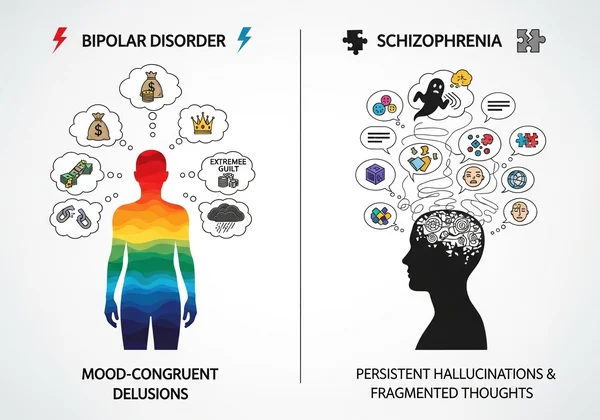
In Schizophrenia: Psychotic symptoms like hallucinations (seeing or hearing things that aren't there) and delusions (strong, false beliefs) are defining features. They are often persistent and not tied to a specific mood state.
-
In Bipolar Disorder: Psychosis can occur, but it typically happens during severe manic or depressive episodes. The psychotic symptoms are often "mood-congruent," meaning they match the person's mood. For example, during mania, a person might have delusions of being a powerful, god-like figure.
Cognitive & Behavioral Patterns: Beyond Mood and Psychosis
Beyond the primary symptoms, other patterns can help differentiate the two.
- Schizophrenia is often associated with "negative symptoms," which refer to a reduction or absence of normal functions. This can include social withdrawal, difficulty showing emotions (flat affect), and a lack of motivation. Cognitive difficulties with memory and executive function are also common.
- Bipolar Disorder can cause cognitive challenges, but they are often most pronounced during mood episodes. Between episodes, a person's cognitive and social functioning may return to their normal baseline. The primary behavioral changes are directly linked to the mood state—impulsive and reckless during mania, withdrawn and lethargic during depression.
Overlapping Symptoms & Why Differentiation Matters
The confusion between Bipolar Disorder and Schizophrenia is understandable because there is a genuine overlap. Some individuals can experience symptoms of both, making an accurate diagnosis even more complex.
When Bipolar Disorder Presents with Psychotic Features
As mentioned, a person in the midst of a severe manic or depressive episode can experience hallucinations or delusions. Imagine a doctor sees you only during a bad episode. Without your full mood history, they might mistake it for schizophrenia. This is why tracking your moods and experiences over time is so important. Using an online bipolar quiz can help you organize these details for a professional.
The Impact of Misdiagnosis: Why Clarity is Crucial
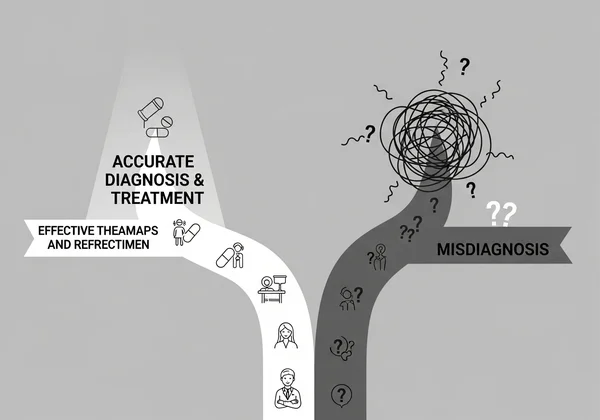
Getting the right diagnosis is not just about having a label; it's about getting the right treatment. The primary treatments for Bipolar Disorder and Schizophrenia are very different.
- Bipolar Disorder is typically treated with mood stabilizers. Using an antidepressant without a mood stabilizer can sometimes trigger a manic episode.
- Schizophrenia is primarily treated with antipsychotic medications.
An incorrect diagnosis can lead to ineffective treatment, which can worsen symptoms and delay recovery. This is why taking the first step to gather information for a professional is so critical.
The Role of a Bipolar Screening Test in Your Journey
If you're trying to make sense of your experiences, you might wonder where to even begin. An online screening test can serve as a valuable, private first step in organizing your thoughts and concerns.
How Our Online Test Can Provide Initial Insights
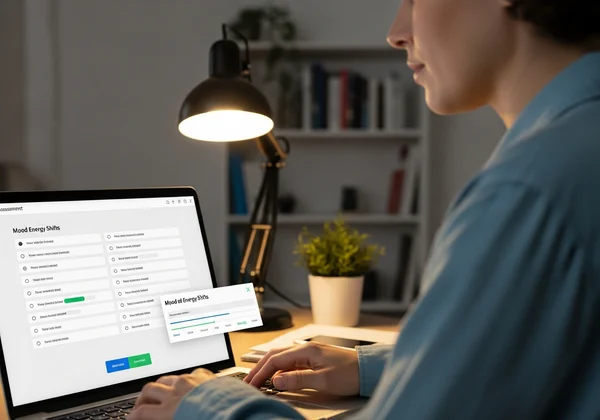
A screening isn't a diagnosis. It's a simple tool to spot mood and behavior patterns that match bipolar disorder. Our free screening tool is based on the scientifically validated Mood Disorder Questionnaire (MDQ), which is aligned with DSM-5 criteria.
By answering a series of questions about your experiences with elevated energy and mood shifts, you can receive instant, confidential insights. This can help you see if your symptoms warrant a conversation with a mental health professional.
Understanding Test Results: What Comes Next?
After completing a screening, you will receive a preliminary summary. Think of this result as a conversation starter, not a final conclusion. It’s a piece of structured information that you can take with you to an appointment with a doctor or therapist.
Your results can help you describe your symptoms more clearly and accurately, ensuring you get the most out of your professional consultation. The ultimate goal is to move from uncertainty to a clear, actionable plan for your well-being.
Disclaimer: This article is for informational purposes only and does not constitute medical advice. The information provided here is not a substitute for professional diagnosis, treatment, or consultation with a qualified healthcare provider. If you are concerned about your mental health, please seek guidance from a doctor or mental health professional.
Moving Forward: From Self-Assessment to Professional Support
Understanding the differences between Bipolar Disorder and Schizophrenia is a crucial step toward clarity. While Bipolar Disorder is defined by its dramatic shifts in mood and energy, Schizophrenia is characterized by disruptions in thought and perception. Though some symptoms can overlap, their core features are distinct.
Navigating this uncertainty alone can be difficult. A self-assessment tool provides a structured, private way to explore your symptoms and prepare for a meaningful conversation with a healthcare provider. It empowers you with information, transforming confusion into a clear starting point.
Ready to gain a better understanding of your emotional landscape? Start your free test today to get instant insights and take a confident first step on your path to wellness.
Frequently Asked Questions About Bipolar & Schizophrenia Screening
How do you get tested for bipolar disorder professionally?
A professional diagnosis is made by a qualified healthcare provider, like a psychiatrist or psychologist. It involves a comprehensive evaluation, including a detailed discussion of your symptoms, personal and family medical history, and sometimes a physical exam to rule out other conditions. There is no single blood test or brain scan for Bipolar Disorder.
What is commonly mistaken for bipolar disorder?
Besides Schizophrenia, Bipolar Disorder can be mistaken for other conditions, including major depressive disorder (if mania/hypomania isn't identified), Attention-Deficit/Hyperactivity Disorder (ADHD), Borderline Personality Disorder (BPD), and anxiety disorders. Accurate diagnosis requires a thorough assessment of long-term mood patterns.
Can bipolar disorder and schizophrenia co-exist?
Yes, though it is rare. A person can be diagnosed with both Bipolar Disorder and Schizophrenia. This is known as Schizoaffective Disorder, which has symptoms of both a mood disorder (like mania or depression) and psychosis that are characteristic of Schizophrenia.
How accurate is an online bipolar screening test?
An online screening test is a preliminary tool, not a diagnostic one. Its accuracy depends on the honesty of your answers and the scientific validity of the questionnaire. Our free bipolar test uses the well-regarded Mood Disorder Questionnaire (MDQ) to provide a reliable initial screening. A positive screening result strongly suggests that a professional evaluation is a good next step.
What should I do after completing an online bipolar test?
Regardless of your results, the best course of action is to discuss them with a healthcare professional. If the screening suggests you may have symptoms consistent with Bipolar Disorder, schedule an appointment with your doctor or a mental health specialist. You can use your results as a guide to help explain what you've been experiencing.