Hypomania vs Mania: Symptoms, DSM-5 Differences, and Examples
Hypomania vs mania can be confusing because both involve an unusual rise in mood, energy, activity, confidence, talkativeness, and sometimes impulsive behavior. The difference is not simply "happy versus out of control." Clinicians look at duration, intensity, risk, impairment, psychosis, hospitalization, and how far the episode is from a person's usual baseline. If you are trying to organize what you have noticed in yourself or someone close to you, an educational resource like a confidential bipolar screening tool can help you reflect on mood patterns before a professional conversation. It cannot tell you what condition you have, but it can make the details easier to describe.
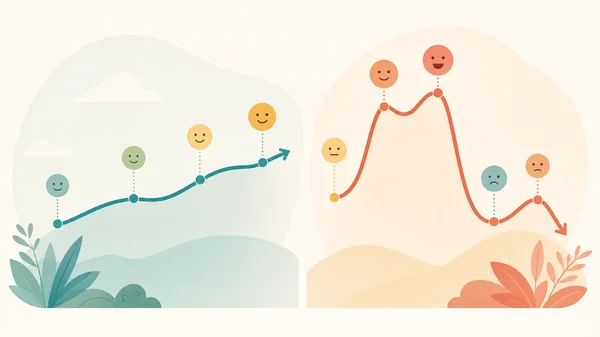
Hypomania vs Mania at a Glance
The easiest way to define hypomania vs mania is to compare the same symptom family at different levels of severity. Both may include elevated or irritable mood, a reduced need for sleep, racing thoughts, distractibility, more talking, increased goal-directed activity, and risky choices. Hypomania is usually noticeable and outside the person's normal behavior, but it does not cause marked impairment, psychosis, or a need for hospitalization. Mania is more severe and may disrupt work, school, relationships, finances, safety, or reality testing.
| Feature | Hypomania | Mania |
|---|---|---|
| Typical minimum duration | At least 4 days | At least 1 week, or any duration if hospitalization is needed |
| Daily functioning | Changed but not severely impaired | Markedly impaired or unsafe |
| Psychosis | Not present | May be present |
| Hospitalization | Not required by definition | May be needed |
| Bipolar pattern | Central to bipolar II when paired with major depression | Defines bipolar I when it occurs |
This is why "full mania vs hypomania" is not only about how energized someone feels. It is about consequences. A person in hypomania might sleep four hours, talk more than usual, and start many projects while still getting through the day. A person in mania might stop sleeping, spend money they do not have, believe they have special powers, drive dangerously, or become unable to keep ordinary responsibilities together.
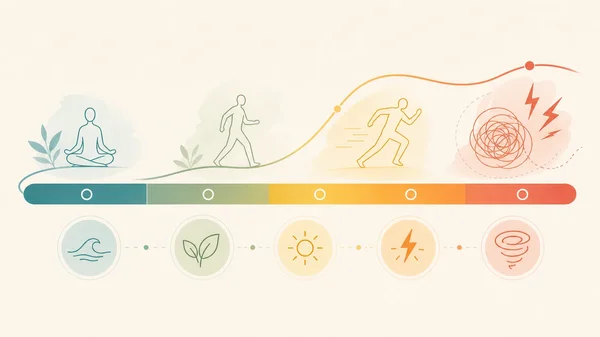
Hypomania Symptoms vs Mania Symptoms
Hypomania symptoms and mania symptoms overlap, so a checklist alone can miss the point. The same behavior can mean different things depending on intensity and impact. Talking fast may be a mild but obvious change in hypomania; in mania, speech may become hard for others to follow. Confidence may become unusually bold in hypomania; in mania, it may grow into grandiose beliefs or unsafe decisions.
Common signs of mania vs hypomania include:
- Much less sleep while still feeling energized
- More activity, projects, social plans, or sexual energy
- Racing thoughts or jumping quickly between ideas
- More talking, faster speech, or pressure to keep speaking
- Distractibility and difficulty staying with one task
- Inflated self-confidence, grandiosity, or feeling unusually powerful
- Impulsive spending, risky sex, reckless driving, substance use, or sudden major plans
The question is not whether one symptom appears. It is whether several symptoms cluster together, last long enough, and represent a real change from baseline. Context matters too. Hyperfocus can look intense, especially with ADHD, anxiety, creative work, or a deadline. Mania vs hypomania vs hyperfocus becomes clearer when you ask whether mood, sleep, risk-taking, confidence, and social behavior all shifted at the same time.
Mania vs Hypomania DSM-5 Criteria: What Actually Changes
The DSM-style distinction centers on duration and impairment. Hypomania requires a distinct period of elevated, expansive, or irritable mood with increased energy or activity lasting at least four consecutive days. Mania requires a similar mood and energy shift lasting at least one week, unless hospitalization is needed sooner.
The symptom list is similar, but mania crosses a more serious line. Marked impairment, psychosis, or hospitalization points toward mania rather than hypomania. In practical terms, that means the episode is not just noticeable to others; it is causing major problems or creating safety concerns. If hallucinations or delusional beliefs appear during an elevated episode, the episode is generally treated as mania, not hypomania.
Medication, substances, sleep loss, medical conditions, and trauma-related stress can also produce mood and energy changes. That is one reason self-labeling can be risky. A clinician may ask about timing, sleep, family history, antidepressants or stimulants, thyroid symptoms, substance use, postpartum changes, and whether depression has also occurred.
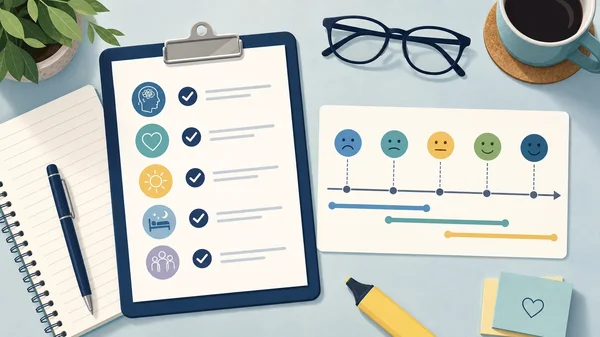
Hypomania vs Mania Examples in Everyday Life
Examples can make the difference easier to feel, as long as they are not used as proof. Imagine someone who usually sleeps seven hours. During a hypomanic episode, they sleep four or five hours for several nights, feel unusually driven, speak faster, make more social plans, and take on extra work. Friends notice the change. The person may feel productive, but they can still show up, pay bills, and avoid major fallout.
In mania, the same pattern may escalate. The person might sleep barely at all, feel unstoppable, start a business overnight, spend thousands of dollars, argue aggressively when challenged, drive too fast, or believe they have a mission others cannot understand. Work, school, family life, or safety may be seriously affected. If reality testing breaks down, urgent care may be needed.
A mixed picture is also possible. Some people feel energized and miserable at the same time: restless, irritable, sleepless, and flooded with thoughts. Others feel euphoric at first, then frightened by how quickly things speed up. Hypomania can still be harmful even when it looks productive from the outside, especially if it leads to burnout, damaged relationships, financial risk, or a later depressive crash.
Hypomania vs Bipolar I and Bipolar II
Hypomania vs bipolar is another common search because people often wonder whether an elevated episode automatically means bipolar disorder. It does not. Hypomania and mania are mood episode types. Bipolar disorders are broader diagnostic categories that also consider depression, episode history, impairment, medical causes, and exclusion rules.
Bipolar I is defined by at least one manic episode. A person may also have hypomanic or depressive episodes, but mania is the defining elevated phase. Bipolar II involves at least one hypomanic episode and at least one major depressive episode, with no history of mania. Bipolar II is not simply "mild bipolar." Hypomania may be less impairing than mania, but depressive episodes can be long and disabling.
This distinction matters because treatment planning and risk planning can differ. Mania may require urgent stabilization, especially with psychosis, dangerous behavior, or inability to sleep. Hypomania may call for early support, careful medication review, routine protection, sleep stabilization, and monitoring so symptoms do not intensify.
What to Do If You Cannot Tell Which One Fits
If you are asking "How do I know if I'm hypomanic or manic?" start with observable details rather than a label. Write down sleep hours, mood, speech, activity, spending, sex drive, substance use, conflicts, work or school disruption, and whether anyone close to you has noticed a change. A mood pattern self-reflection tool can help organize these observations, but the most important next step is sharing concrete examples with a qualified mental health professional.
Use this quick sorting checklist:
- Has the change lasted at least four days?
- Are you sleeping much less without feeling tired?
- Are other people saying you seem unlike yourself?
- Are risky decisions becoming harder to pause?
- Are work, school, relationships, money, or safety being seriously affected?
- Are you seeing, hearing, or believing things others do not share?
- Have antidepressants, stimulants, substances, or major sleep disruption recently changed?
If there is psychosis, dangerous behavior, suicidal thoughts, no sleep for days, threats, severe agitation, or inability to care for basic needs, seek urgent support right away. If the situation is not urgent but still concerning, contact a clinician, therapist, psychiatrist, or primary care provider and bring your notes.

Use the Difference as a Conversation Starter
The safest way to use the hypomania vs mania difference is as a conversation starter, not a final answer. The comparison can help you notice whether an elevated mood state is brief, manageable, and non-psychotic, or whether it is becoming severe, risky, or disconnected from reality. It can also help you explain what changed: "I slept three hours for five nights," "I spent money I could not afford," or "My family says I am speaking much faster than usual."
If you are not sure where your experience fits, consider using educational mood screening to prepare notes and then discuss them with a professional. BipolarTest.net is designed as an informational first step, not a replacement for care. Bring your examples, your timeline, medication changes, sleep patterns, and any concerns from people who know you well.
FAQ
What is worse, mania or hypomania?
Mania is usually more severe because it causes marked impairment, may include psychosis, and may require hospital care. Hypomania is less severe by definition, but it can still create real harm through risky choices, strained relationships, burnout, or a later depressive episode.
What does a hypomanic episode look like?
A hypomanic episode may look like several days of unusually high energy, less sleep, faster speech, more plans, increased confidence, distractibility, and risk-taking. Other people often notice the change, but daily functioning is not severely impaired and psychosis is not present.
What are the 7 symptoms of mania?
Many clinicians remember the main symptom areas as distractibility, impulsive or risky behavior, grandiosity, flight of ideas, increased activity, reduced need for sleep, and talkativeness. A manic episode also involves elevated, expansive, or irritable mood plus increased energy.
What is the biggest trigger for bipolar mania?
There is no single biggest trigger for everyone. Common triggers can include major sleep disruption, high stress, substance use, medication changes, antidepressants or stimulants in some people, major life events, and postpartum changes. Personal trigger patterns are best reviewed with a clinician.
What is the 48 hour rule for bipolar disorder?
The 48 hour rule is a coping strategy, not a clinical criterion. It means delaying major decisions, purchases, messages, or life changes for two days and two nights of sleep when elevated mood or impulsive urges are present. It can add friction while you seek support.
Is manic the same as mania?
No. "Mania" is the episode or state. "Manic" is the adjective, as in "manic symptoms" or "a manic episode." Similarly, "hypomania" is the state, while "hypomanic" describes symptoms or an episode.
Can Reddit help me compare hypomania vs mania?
Reddit discussions may help you feel less alone, but they cannot evaluate your situation safely. Personal stories vary widely, and people may use terms differently. Use online stories as perspective, then rely on professional assessment for personal decisions.