Understanding Bipolar Disorder: Your Guide to Symptoms, Types, & Taking a Bipolar Test
Feeling lost in a whirlwind of intense mood swings? You're not alone. Many individuals struggle to understand significant shifts in energy and behavior, often asking themselves, "Am I bipolar or just moody?" This comprehensive guide is here to provide clarity. We'll explore bipolar disorder's symptoms, types, and treatments, empowering you to better understand your experiences and take confident next steps. For many, an online bipolar test is a valuable first step to organize their thoughts, and you can start your bipolar test with our confidential screening tool.
What is Bipolar Disorder? Unpacking the Condition
Bipolar disorder is a mental health condition defined by extreme shifts in mood, energy, and concentration. These shifts are far more severe than typical ups and downs, manifesting as distinct periods of elevated mood (mania or hypomania) and depressed mood. These intense episodes can last for days or weeks, significantly disrupting a person's work, relationships, and daily functioning. Though a lifelong condition, proper treatment allows individuals to lead full, productive lives. It's a medical condition rooted in brain chemistry, not a character flaw.
The Core Distinction: Mania/Hypomania and Depression
The defining feature of bipolar disorder is the presence of manic or hypomanic episodes—periods of unusually high energy and elevated or irritable mood. These "highs" stand in stark contrast to episodes of major depression, which involve profound sadness and loss of interest. The intensity and duration of these mood episodes are what help professionals distinguish between the different types of bipolar disorder. Taking a bipolar symptoms test can help identify if these patterns are present.
Understanding Bipolar Symptoms: The Peaks, Troughs, and Mixed States
Taking that first step towards understanding bipolar disorder can feel daunting, but it's crucial for finding help. If you've ever felt like you're living on an emotional rollercoaster, with distinct peaks of mania and troughs of depression, learning about the symptoms is key. Sometimes, these states can even overlap, creating a distressing mixed state.

The Elevated Extremes: Mania and Hypomania Explained
While both involve elevated mood, mania and hypomania differ in severity and their impact on a person's life.
Mania: Intense Highs, Increased Energy, and Potential Risks
A manic episode lasts at least one week, marked by an abnormally elevated or irritable mood. Symptoms include inflated self-esteem, a decreased need for sleep, racing thoughts, and being more talkative than usual. This can lead to impulsive, high-risk behaviors like spending sprees or reckless decisions. In severe cases, mania can involve psychosis (delusions or hallucinations) and require hospitalization.
Hypomania: Elevated Moods with Less Severe Impact
Hypomania is a less severe form of mania. While symptoms like increased energy and creativity are similar, they aren't intense enough to cause major impairment in daily functioning or require hospitalization. A person in a hypomanic state might feel unusually good and productive, but the change in their mood is noticeable to others. Hypomania is a key feature of Bipolar II Disorder. A bipolar 2 test often screens for these specific experiences.
The Depressive Depths: Recognizing Bipolar Depression
A major depressive episode in bipolar disorder involves at least two weeks of persistent sadness, emptiness, or hopelessness. Symptoms include losing interest in activities, changes in appetite or sleep, and feelings of worthlessness. This is often clinically indistinguishable from unipolar depression, which is why identifying any past manic or hypomanic episodes is critical for an accurate diagnosis. If you're questioning your low moods, a bipolar depression test can be a helpful starting point.
Bipolar Mixed Features: When Highs and Lows Collide
An episode with mixed features occurs when symptoms of both mania and depression happen at the same time. A person might feel energized and agitated while also feeling hopeless and sad. These episodes are particularly distressing and carry a higher risk for suicide, making prompt professional evaluation essential. A bipolar mixed episode test can help screen for these complex states.
Types of Bipolar Disorder: Finding Your Fit in the Spectrum
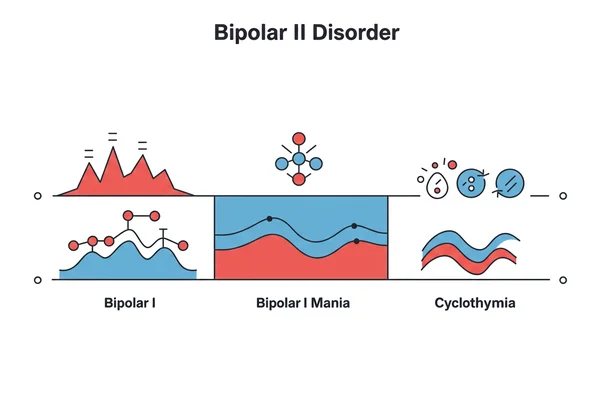
Bipolar disorder exists on a spectrum with several distinct types. Understanding these categories helps individuals make sense of their experiences.
Bipolar I Disorder: The Classic Manifestation
Bipolar I Disorder is defined by having at least one full-blown manic episode. This manic episode may be preceded or followed by hypomanic or major depressive episodes. The mania must last at least seven days or be severe enough to require hospitalization. A bipolar 1 test screens for these severe manic episodes.
Bipolar II Disorder: The Hypomanic Connection
Bipolar II Disorder is defined by a pattern of depressive episodes and hypomanic episodes. Individuals with Bipolar II have never experienced a full manic episode. Because hypomania can feel productive, many people with Bipolar II seek help primarily for their depression.
Cyclothymic Disorder: Chronic Mood Shifts on a Milder Scale
Cyclothymia is a milder form of bipolar disorder. It's diagnosed in adults with at least two years of numerous periods with hypomanic and depressive symptoms that don’t meet the full criteria for a major episode.
Other Forms of Bipolar and Related Disorders
This category includes bipolar disorder symptoms that don't fit into the other types, such as substance-induced bipolar disorder or bipolar disorder due to another medical condition.
What Causes Bipolar Disorder? Exploring the Influencing Factors
The exact cause of bipolar disorder is unknown, but researchers believe it's a complex interplay of biology and environment.
Genetic and Biological Factors: The Role of Brain Chemistry
Bipolar disorder often runs in families, indicating a strong genetic component. Research also suggests that an imbalance in brain chemicals (neurotransmitters) and differences in brain structure play a significant role.
Environmental and Stress Factors: Triggers and Onset
While genetics may create a predisposition, environmental factors like high stress, trauma, or major life changes can trigger the first episode of mania or depression in a vulnerable individual.
The Diagnostic Journey: How Professionals Assess Bipolar Disorder – And How a Bipolar Test Can Help
A formal diagnosis from a qualified mental health professional is a critical step. An online bipolar test can be an excellent way to prepare for this process.
Initial Consultation and Symptom History
A diagnosis begins with a comprehensive psychiatric evaluation where a professional will ask detailed questions about your mood history and symptoms. This is where the results from a preliminary bipolar test can be incredibly useful.
Ruling Out Other Conditions: A Differential Diagnosis
Because symptoms can overlap with conditions like depression, ADHD, or borderline personality disorder, a clinician will work to rule out other possibilities. A good bipolar assessment test can help differentiate these symptoms.
The Role of DSM-5 Criteria and Our Online Bipolar Test Screening Tool
Professionals use the criteria in the Diagnostic and Statistical Manual of Mental Disorders (DSM-5) for a formal diagnosis. While not a substitute for this, a confidential online bipolar test is an invaluable first step. The free bipolar test on our site is based on the Mood Disorder Questionnaire (MDQ), a scientifically validated tool that helps you organize your thoughts before speaking with a doctor.
Modern Treatment Approaches for Bipolar Disorder: Paths to Stability
While there is no cure for bipolar disorder, it is highly treatable. A combination of medication, therapy, and lifestyle management helps individuals achieve long-term mood stability.
Medication Management: Mood Stabilizers and Beyond
Medication is the cornerstone of treatment. Mood stabilizers, anticonvulsants, and atypical antipsychotics are commonly prescribed to control manic episodes. Antidepressants are sometimes used for depressive episodes, typically with a mood stabilizer.
Psychotherapy: Building Coping Skills and Resilience
Therapy is a vital component of a comprehensive treatment plan. Therapies like Cognitive Behavioral Therapy (CBT) help individuals identify triggers, manage symptoms, and build healthy coping strategies. Getting preliminary insights from our bipolar test can help you decide if therapy is the right next step.
Lifestyle Adjustments and Self-Management Strategies
Maintaining a regular routine is essential. This includes consistent sleep, regular exercise, a balanced diet, and stress management techniques. Avoiding alcohol and recreational drugs is also crucial, as they can worsen mood episodes.
Why a Collaborative Treatment Plan is Essential
The most effective treatment is collaborative. It involves working closely with your healthcare provider to find the right combination of strategies. Open communication is key to long-term stability.
Empowering Your Journey to Understanding and Stability
Your journey to understanding and stability begins with knowledge. If reading this guide has resonated with your experiences, you're already taking a powerful step. We understand the confusion and uncertainty that can come with these feelings. That's why our platform offers a free, confidential, and science-based bipolar test to help you gain initial insights into your unique mood patterns. Remember, this isn't a diagnosis, but a valuable resource to guide your next conversations with a professional. Take the test today and take control of your emotional health.
Frequently Asked Questions About Bipolar Disorder
What are the main types of bipolar disorder? The main types are Bipolar I Disorder (defined by at least one manic episode), Bipolar II Disorder (a pattern of hypomanic and depressive episodes), and Cyclothymic Disorder (chronic, milder mood fluctuations). A bipolar 1 vs bipolar 2 test can help clarify which pattern aligns with your experience.
Can I self-diagnose bipolar disorder? No, a formal diagnosis must be made by a qualified healthcare professional. However, using a confidential bipolar screening test can be a helpful first step to understand your symptoms and prepare for a conversation with a doctor. The bipolar disorder test tool is designed for this purpose.
What are 5 common signs of bipolar disorder? Five common signs are: 1) Distinct episodes of elevated mood (mania/hypomania). 2) Episodes of profound depression. 3) Decreased need for sleep during elevated periods. 4) Racing thoughts or being more talkative. 5) Impulsive behavior during manic episodes. Our bipolar symptoms test assesses these signs.
How accurate are online bipolar tests like ours? Our online bipolar test is a screening tool, not a diagnostic instrument. It is based on the scientifically validated Mood Disorder Questionnaire (MDQ) and indicates if your symptoms warrant further evaluation by a professional. It provides a reliable starting point for a conversation with a healthcare provider.
What's the difference between Bipolar I and Bipolar II? The primary difference is the severity of the elevated mood episodes. Bipolar I involves at least one full manic episode, which can be severe. Bipolar II involves less severe hypomanic episodes that do not cause major impairment in functioning.
Disclaimer: This article is for informational purposes only and does not constitute medical advice. The content is not intended to be a substitute for professional medical advice, diagnosis, or treatment. Always seek the advice of your physician or other qualified health provider with any questions you may have regarding a medical condition.