Unspecified Mood Disorder ICD-10 F39, DSM-5-TR, Symptoms, and Next Steps
An unspecified mood disorder can sound vague, especially when you are trying to understand mood swings, low periods, high-energy states, or a note in a clinical record. The phrase usually means mood symptoms are present, but there is not enough information yet to place them into a more specific depressive or bipolar category. It is not a self-label, and it should not be treated as a final answer. For readers sorting through confusing mood patterns, a confidential mood screening first step can help organize what to notice before a professional conversation.

What Unspecified Mood Disorder Means
Unspecified mood disorder is best understood as a temporary or broad clinical category. It points to mood-related symptoms that matter, but it does not say exactly which condition explains them. A person may have depressive symptoms, elevated or irritable energy, sleep changes, racing thoughts, loss of interest, agitation, or emotional shifts that affect daily life.
Clinicians may use an unspecified category when the first meeting does not provide enough history, when symptoms overlap, when safety concerns need attention before a full evaluation can be completed, or when it is too early to separate depressive, bipolar, substance-related, medical, trauma-related, or situational causes. In that sense, the label can be a placeholder while more information is gathered.
This matters because mood disorders require context. Timing, duration, triggers, family history, medication effects, substance use, sleep patterns, and impairment all influence the next step.
ICD-10-CM F39 and Unspecified Mood Affective Disorder
In ICD-10-CM, the code most often connected with mood disorder unspecified is F39, listed as unspecified mood [affective] disorder. Searchers may phrase this as "unspecified mood disorder ICD 10," "mood disorder unspecified ICD 10," "ICD 10 code for mood disorder unspecified," or "f code for unspecified mood disorder." These are different ways of looking for the same coding neighborhood.
The word "affective" refers to mood and emotional state. The code does not, by itself, explain whether a person's symptoms are mainly depressive, bipolar-related, mixed, medical, substance-related, or connected to another mental health condition. It also does not tell someone what medication they need or whether a specific treatment path is right for them.
F39 is a billing and classification code, not a personal identity. In practice, a clinician may use it when mood symptoms are clinically important but a more specific code is not yet supported. Over time, the record may become more specific as the pattern becomes clearer.

DSM-5-TR and Why the Category Exists
In DSM-5-TR, unspecified mood disorder was restored as a category for situations where mood symptoms are significant but do not clearly fit a specific mood disorder, and where it is hard to choose between an unspecified depressive disorder and an unspecified bipolar disorder. That is a narrower and more careful idea than "any mood problem."
This is why "unspecified mood disorder DSM-5 criteria" can be a tricky search. The category is not a checklist that someone can run on themselves. It depends on clinical judgment, the level of distress or impairment, whether symptoms resemble depressive or bipolar presentations, and whether another explanation is more appropriate. It can also be used when there is not enough information yet, such as during an urgent or early evaluation.
The practical takeaway is simple: unspecified does not mean fake, mild, or unimportant. It means the available information is not specific enough. It also does not mean "the same as bipolar." Bipolar disorder involves patterns of manic, hypomanic, and depressive episodes; unspecified mood disorder may be considered when that pattern is not yet clear.
Symptoms That May Lead To an Unspecified Mood Disorder Label
Mood disorder symptoms vary by person, but several clusters commonly lead people to seek help. Depressive symptoms may include persistent sadness, loss of interest, low energy, guilt or worthlessness, changes in sleep or appetite, slowed thinking, trouble concentrating, and thoughts about death or not wanting to be here. Any thoughts of self-harm or harm to others need urgent support from local emergency services or a crisis line such as 988 in the United States.
Elevated or irritable mood symptoms may include unusually high energy, less need for sleep, rapid speech, impulsive choices, racing thoughts, increased goal-directed activity, agitation, or feeling unusually confident in a way that causes problems. These signs are especially important when they are a clear change from the person's usual state.
Some people search for "unspecified mood disorder with psychotic features." Psychotic symptoms can include hallucinations, delusional beliefs, or severe disconnection from reality. If these are present, the situation deserves prompt professional attention. The phrase "with psychotic features" is not something to attach casually to a broad label; it changes the level of clinical concern and support needed.
Screening tools can help organize observations, but they are not a final clinical answer. For example, an MDQ-based bipolar screening experience may help someone reflect on lifetime patterns of elevated energy, mood shifts, and impairment before discussing symptoms with a qualified professional.
What Else Can Cause Mood Swings?
Mood swings are not specific to one condition. Bipolar I disorder, bipolar II disorder, cyclothymic disorder, major depressive disorder, persistent depressive disorder, premenstrual dysphoric disorder, trauma-related conditions, anxiety disorders, ADHD, personality-related patterns, substance use, sleep deprivation, thyroid problems, neurological issues, and medication effects can all be part of the wider picture.
That is why context matters more than a single symptom. A clinician may ask when mood changes began, how long they last, whether there are periods of unusually reduced need for sleep, whether mood changes come with risky behavior, whether symptoms appear around menstrual cycles, whether substances or medications changed recently, and whether family members have a history of mood conditions.
The same outward behavior can have different meanings. Staying up late because of stress is different from sleeping three hours and feeling unusually energized for days. Feeling sad after a loss is different from a sustained depressive episode that affects functioning. Irritability can appear in depression, anxiety, hypomania, trauma responses, burnout, or ordinary conflict. The pattern is the clue.
How Treatment Is Usually Approached
Treatment for unspecified mood disorder depends on what the evaluation finds. Because the label is broad, there is no single medication or therapy that fits everyone with it. A professional may focus first on safety, sleep, substance use, medical contributors, current stressors, and whether symptoms suggest a depressive, bipolar, psychotic, trauma-related, or anxiety-related condition.
Psychotherapy may help people track mood patterns, reduce avoidance, build coping skills, improve routines, and make sense of triggers. Cognitive behavioral therapy, dialectical behavior therapy skills, family-focused work, psychoeducation, and supportive therapy may all be considered depending on the person's needs.
Medication decisions require individual medical judgment. Mood stabilizers, antidepressants, antipsychotic medications, or other options may be considered in different mood disorder contexts, but the broad label alone is not enough to choose one. Discuss any history of elevated energy, reduced need for sleep, or possible mania before using antidepressant medication, because planning can differ when bipolar-spectrum symptoms are possible.
Practical support also matters. Sleep regularity, reduced alcohol or substance use, a crisis plan, supportive relationships, and follow-up appointments can make the evaluation process more reliable. If symptoms are severe, rapidly changing, or include psychosis or suicidal thoughts, do not wait for a perfect label before seeking urgent help.
Questions To Bring To a Professional Evaluation
If you see unspecified mood disorder in a record or wonder whether it fits your experience, prepare questions that turn confusion into useful information. You might ask: What symptoms led to this label? What more specific conditions are being considered? What information would help clarify the picture? Are there medical, medication, sleep, hormonal, or substance-related factors to review? What warning signs should prompt urgent care?
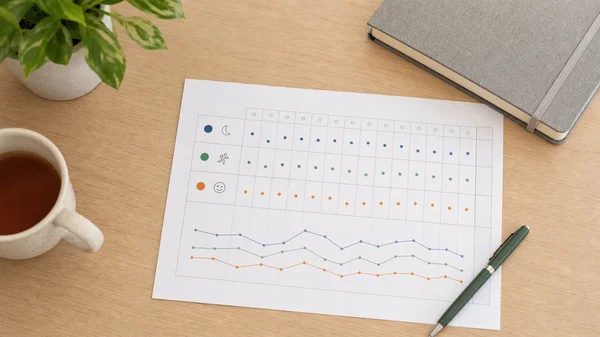
It can also help to bring a short mood timeline. Include dates, sleep, energy, major stressors, substance or medication changes, periods of high confidence or impulsivity, low periods, and how symptoms affected school, work, relationships, or finances. If safe and appropriate, collateral information from a trusted person may help because mood episodes are not always easy to remember accurately from the inside.
Try to separate "what happened" from "what it must mean." For example, write "slept four hours and felt energized for three days" instead of "I was manic." Clear observations make the clinical conversation more useful and less loaded.

How To Use This Label Without Over-Reading It
Unspecified mood disorder is a signal to keep looking carefully, not a verdict about who you are. It can be useful when mood symptoms are real but the pattern is still unfolding. It can also protect against premature certainty, especially when depressive and bipolar-spectrum features overlap.
If your main concern is whether mood swings may be related to bipolar patterns, use a structured mood reflection tool as one piece of preparation, not as a substitute for professional care. Note what the tool helps you notice, then bring those observations to a licensed clinician who can consider your history, risks, and current functioning.
The goal is not to force yourself into a label. The goal is to understand what is happening, reduce risk, and choose the next step with better information. For many people, that next step is a careful evaluation, a mood log, a conversation about sleep and safety, or a follow-up visit once more history is available.
FAQ
What are examples of mood disorders?
Common examples include major depressive disorder, persistent depressive disorder, bipolar I disorder, bipolar II disorder, cyclothymic disorder, premenstrual dysphoric disorder, and disruptive mood dysregulation disorder. Some people also receive other specified or unspecified categories when symptoms are important but do not fully match a more specific condition.
What is the ICD-10 code for unspecified mood disorder?
The ICD-10-CM code commonly associated with unspecified mood disorder is F39, described as unspecified mood [affective] disorder. Coding should be interpreted by a qualified professional because the code does not explain the full clinical picture on its own.
Is unspecified mood disorder in DSM-5-TR?
Yes. DSM-5-TR restored unspecified mood disorder for presentations where mood symptoms are significant, do not clearly meet a specific mood disorder category, and are difficult to place between unspecified depressive disorder and unspecified bipolar disorder.
Is unspecified mood disorder the same as bipolar disorder?
No. Bipolar disorder has specific episode patterns involving mania, hypomania, and depression. Unspecified mood disorder may be used when mood symptoms are present but the information is not yet clear enough for a more specific depressive or bipolar category.
How do you treat unspecified mood disorder?
Treatment depends on the underlying pattern, safety needs, medical history, and symptom severity. Options may include psychotherapy, medication, sleep and routine support, substance-use review, safety planning, and follow-up evaluation. The broad label alone is not enough to choose a treatment.
What medication is used for mood disorders?
Medication varies by condition and person. Clinicians may consider antidepressants, mood stabilizers, antipsychotic medications, or other approaches depending on the pattern of symptoms. A medication plan should come from a licensed prescriber who knows the person's history.
What disorder causes mood swings?
Mood swings can appear in bipolar disorders, depressive disorders, anxiety disorders, trauma-related conditions, ADHD, personality-related patterns, substance use, sleep problems, hormonal changes, thyroid disease, and other medical issues. Duration, triggers, sleep changes, impairment, and risk behaviors help clarify the likely explanation.
Is Reddit a reliable place to understand unspecified mood disorder?
Reddit can show how other people talk about confusing mood labels, but it cannot evaluate your symptoms or medical history. Use personal stories cautiously, avoid copying someone else's label onto yourself, and bring your own observations to a qualified professional.